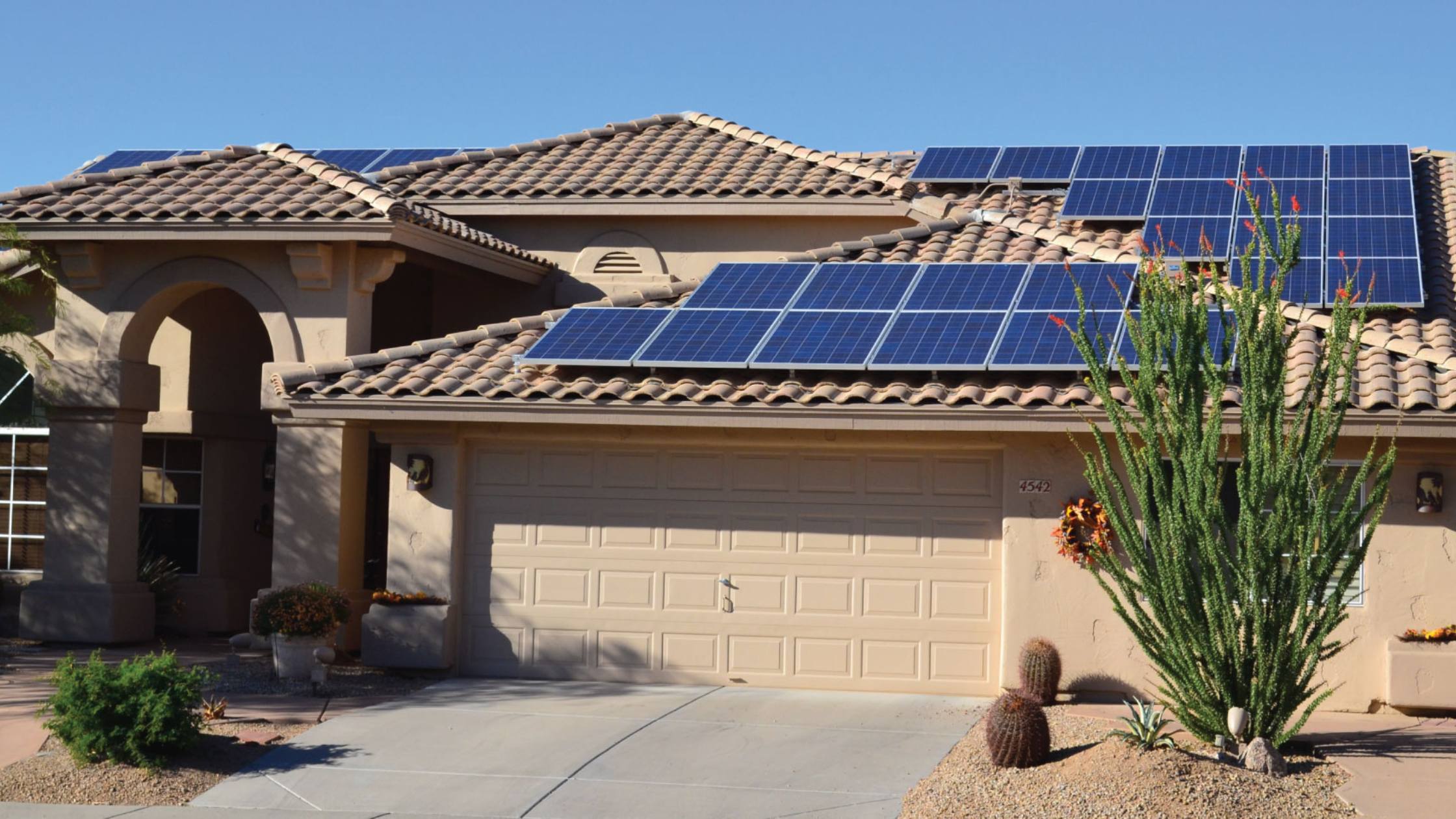
Solar and Real Estate: The Good, the Bad and the Green
Solar has gotten a pretty bad reputation in real estate.
Mention that a home has solar and you may immediately hear:
“I don’t want to take over someone else’s solar loan.”
“What happens when the roof needs to be replaced?”
“I heard the lease goes up every year.”
“Does the warranty even transfer?”
Because of stories like these, there are buyers and even real estate agents who avoid homes with solar altogether.
But here’s the thing:
Solar itself isn’t necessarily the problem. The agreement behind the solar is usually what matters most.
Solar Can Actually Be a Great Thing
Especially here in Arizona, solar can absolutely make sense.
A properly structured system may help lower electricity costs and can be a great feature for the right homeowner.
But two homes can have almost identical solar panels and have completely different financial situations attached to them.
That’s why one of the first questions I ask when dealing with a home with solar is:
Who owns the system?
☀️ Owned Outright
This is generally the cleanest situation.
The homeowner owns the system, there is no solar loan or lease for the buyer to assume, and the buyer may get the benefit of lower electric bills without another monthly payment attached to the home.
You still want to understand the age of the system, warranties, production history and roof condition, but this is typically a much easier conversation from a real estate standpoint.
☀️ Financed Solar
This is where we need to dig deeper.
What is the remaining loan balance?
What is the monthly payment?
What is the interest rate?
How much time is left on the loan?
Does the loan need to be paid off when the home sells, or can the buyer assume it?
Do the warranties transfer?
A homeowner may have installed solar with great intentions, only to find out later that the financing behind it makes selling the home more complicated.
And one thing to remember:
Most buyers don’t want to take on someone else’s debt.
Depending on the agreement and the market, it may make more sense for a seller to pay off the solar obligation before or at closing.
☀️ Leased Solar
Leased systems require another layer of homework.
You want to understand the monthly lease payment, how much time remains on the agreement and whether the payment increases over time.
Some leases include annual escalators, meaning the payment gets more expensive as the years go on.
The buyer also needs to understand exactly what they are agreeing to take over and whether they qualify to assume the lease.
Again, the solar panels may work perfectly.
The bigger question is whether the agreement works for the next homeowner.
Don’t Forget About the Roof
This is one of the biggest issues people overlook.
Solar panels may last a long time, but roofs don’t last forever.
If panels were installed on an older roof, you need to understand what happens when that roof eventually needs to be repaired or replaced.
Who removes the panels?
Who reinstalls them?
How much will it cost?
Does removing them affect the warranty?
What company is responsible for the work?
Those answers can vary significantly depending on the solar company and the agreement.
That doesn’t mean solar is bad.
It simply means these are questions you want answered before you buy the home, not after.
Solar Shouldn’t Automatically Be a Deal Breaker
This is probably the biggest takeaway.
I would never tell a buyer:
“This house has solar, so stay away.”
I also wouldn’t tell them:
“It has solar, so it must be a great deal.”
We need to look at the whole picture.
What does the system produce?
What does it cost?
Who owns it?
What obligations transfer?
How old is the roof?
What warranties remain?
And most importantly:
Does the math make sense for you?
Sometimes the answer will absolutely be yes.
Sometimes we may discover an agreement that needs to be paid off, renegotiated or addressed before moving forward.
That’s what good real estate guidance should look like.
Selling a Home With Solar?
Do the homework before putting the home on the market.
Have the solar agreement available.
Know the balance.
Understand the transfer requirements.
Find the warranty information.
Know the age and condition of the roof.
And if the system is owned outright, make that very clear.
The easier we make it for a buyer to understand what they are getting, the less intimidating solar becomes.
Solar doesn’t need to be scary.
Don’t judge the panels. Understand the paperwork.
Know the agreement, understand the roof, look at the numbers and then decide whether the system is actually an asset.
Because when it is structured correctly, solar can absolutely be a good thing.